September 14, 2026
A roof can signal trouble before it fails completely. Problems often begin with subtle changes, such as a faint ceiling mark, loose shingles, or granules near a downspout. These changes may indicate that part of the system is no longer directing water away as intended. Recognizing them early gives a property owner time to arrange a professional inspection before water reaches more vulnerable areas.
Some warning signs are visible from the ground, while others appear inside an attic, along a ceiling, or around exterior drainage components. Their significance depends on the roofing material, the location of the damage, the roof's age, and recent weather conditions. When damage is confined to one area and the surrounding system remains sound, professional roof repairs may restore the protection the property needs. The following seven signs can help homeowners and commercial property owners recognize when to request an evaluation.
1. Water Stains or Active Leaks Appear Indoors
A spreading ceiling or wall stain is a clear sign that water has entered the building envelope. The discoloration may become more noticeable after rain or melting snow, then appear dry once the weather clears. An active drip demands prompt attention, but an older stain also matters because water intrusion may be intermittent. Moisture can travel along decking or rafters before appearing far from its entry point.
The location of an indoor mark does not necessarily reveal which roof component has failed. Water may be entering through damaged roofing material, an open seam, loose flashing, or another vulnerable transition. A professional can trace the moisture to its source, examine the affected area, and determine whether nearby materials have also been exposed. Timely roof repairs can close the entry point and help limit additional damage to ceilings, walls, insulation, and other interior components.
2. Roofing Materials Are Missing, Cracked, or Distorted
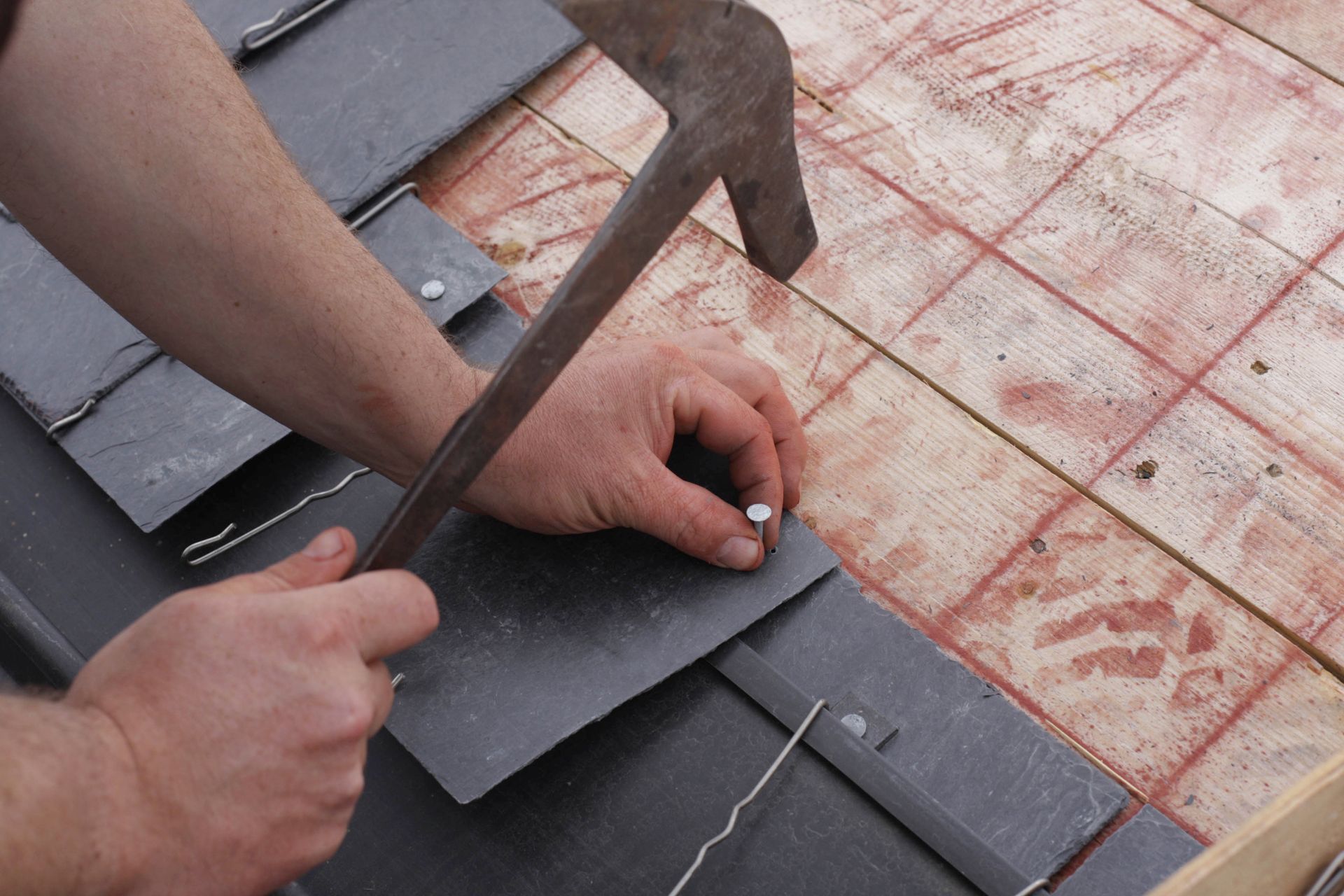
Changes in the roof covering can leave the layers beneath it more exposed to rain, wind, and temperature swings. Asphalt shingles may be missing, lifted, cracked, curled, or torn, while cedar and wood shakes may split, warp, rot, or deteriorate. Clay tiles and slate pieces can crack, break, or shift out of position. On a metal roof, loose fasteners, open seams, corrosion, or damaged panels can create points where water enters.
These problems do not always affect the entire surface equally. One section may experience greater wear because of wind, debris, shade, or drainage patterns. Asphalt shingles, shakes, tile, slate, and metal also require different repair methods. A qualified roofing professional can evaluate the defect without damaging surrounding materials and identify an appropriate response for the specific system.
3. Excessive Granules Collect in the Gutters
Asphalt shingles have protective granules that help shield them from sunlight and weather. Some loose granules can appear after installation or as a roof ages, but heavy or repeated accumulation may point to accelerated surface wear. Property owners may notice coarse, sandlike material inside gutters, at downspout outlets, or on the ground below the roof edge. The shingles themselves may also develop dark, bare-looking patches where much of the protective surface has been lost.
As their protective surface wears away, shingles can become more vulnerable to continued sun and weather exposure. An inspection can distinguish limited damage from broader deterioration and determine whether specific areas are suitable for roof repairs. Gutters should also remain clear enough to direct runoff away from roof edges, fascia, planting beds, and the foundation. When granules and debris form clogs, overflowing water can create another moisture problem.
4. Flashing or Roof Transitions Look Damaged
Water is more likely to find an opening where roofing surfaces meet another feature. Flashing helps protect transitions around chimneys, walls, valleys, vents, and roof edges, but it may loosen, bend, corrode, crack, or separate over time. Sealants in these areas can also deteriorate. Warning signs include visible gaps, displaced metal, staining near a transition, or water intrusion that develops close to a roof penetration.
The affected surface may seem small, yet its location can make the defect significant. According to Ruby Home, a typical roof covers roughly 1,700 square feet, directing runoff toward edges, drainage paths, and intersecting components. A narrow opening at one of those points can admit water during repeated storms. Because a surface patch may conceal the entry without addressing its cause, the full transition should be professionally assessed.
5. The Roofline Sags or the Deck Feels Compromised
A roofline should appear straight and consistent with the building's design. A dip, wave, or sag can indicate a problem involving the deck or supporting structure, especially when the change is new. Other clues include a depressed area that holds water or signs that decking has weakened after moisture exposure. These conditions call for a prompt professional evaluation.
Structural warning signs require particular care because the visible surface may reveal only part of the problem. A roofer may need to determine how far the affected area extends and whether immediate stabilization is appropriate. People should stay away from the affected portion until it has been assessed, especially after a storm, fallen tree, or substantial water intrusion. The appropriate response will depend on the cause, the condition of adjacent materials, and the stability of the roof assembly.
6. Storms Leave New or Sudden Damage
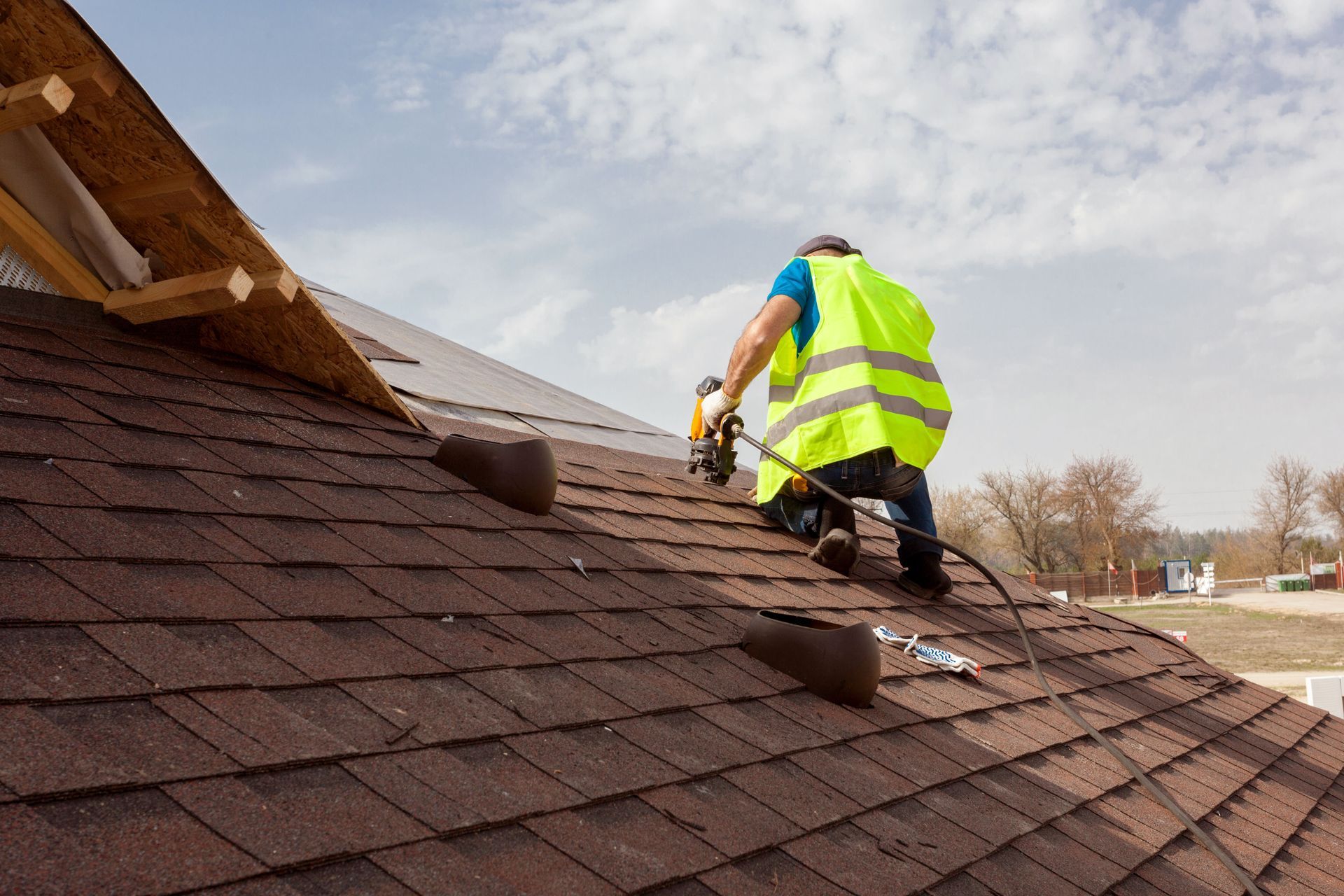
High winds, hail, heavy rain, and falling limbs can change a roof's condition within minutes. Warning signs include displaced shingles, cracked tiles, dented metal, punctured membrane, or sections lifted at an edge. Water entering the building, daylight visible through the roof, or a branch resting on the structure makes the situation more urgent. Damage hidden from the ground may still affect seams or exposed materials.
Emergency roof repairs can include an immediate assessment, temporary protection, leak sealing, missing-material replacement, or stabilization, depending on the damage. The priority is to secure the property and reduce further water intrusion until permanent work can be completed. Photographs and a detailed professional assessment may also help document storm-related conditions for an insurance claim. No one should climb onto a wet, unstable, or storm-damaged surface to investigate it.
7. Leaks or Seam Problems Keep Returning
A recurring leak suggests that water is still entering or that its source lies beyond the first visible stain. On a metal roof, the opening may be located around a seam or fastener. TPO membranes can develop punctures or seam failures, while other commercial surfaces may form cracks or worn areas. Standing water, bubbling, or stains that reappear after storms justify another evaluation.
Persistent trouble may require a broader inspection of the surface, drainage, seams, penetrations, and previously treated areas. Depending on the roof type and its overall condition, suitable work could involve a material-specific repair, heat-welded TPO treatment, proper sealing, or a professionally applied protective coating. A coating may help seal hairline cracks and create a weather-resistant barrier on an appropriate existing commercial surface, but suitability must be evaluated first. Well-planned roof repairs address the actual path and extent of water intrusion instead of focusing only on the indoor symptom.
Roof damage can progress beyond the first visible symptom, so changes in roofing materials, drainage, interior surfaces, or the roofline deserve timely attention. A professional assessment can connect those clues to their source and determine what type of roofing service is appropriate for the property's condition. For comprehensive residential and commercial roof repairs, turn to the team at Arrow Roofing. We can evaluate your roofing concerns and discuss the appropriate service for protecting your property.